
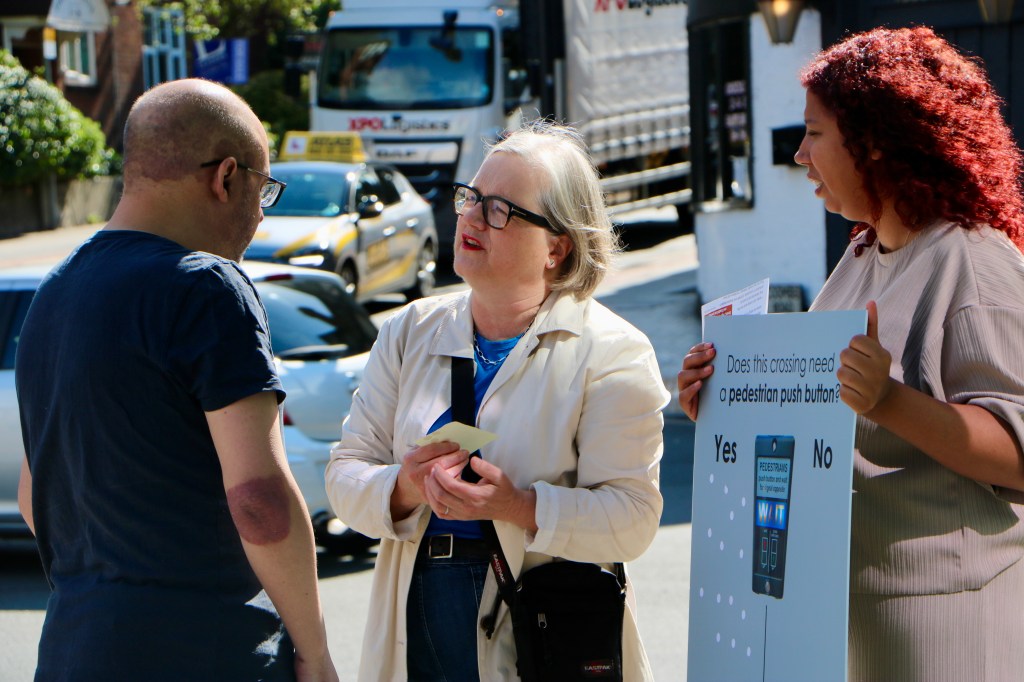
No Londoner should feel forced to own a car to live and work in our city.
That kind of car-free London is a real possibility. During the 2020 coronavirus pandemic, Caroline Russell obtained data indicating nearly half all Londoners walked or cycled during lockdown as their primary mode of transportation, a significantly higher rate than pre-COVID.
Yet only a few years later, far too many of our streets, particularly those managed by Transport for London, are back to the hostile, traffic-filled state they were in before the pandemic.
One in four outer Londoners still feel forced to own a car.
Intelligent Transport, 2022
Indeed, despite the City Hall Greens’ efforts to advocate for more funding for public transport, one in four outer Londoners still feel forced to own a car.
If our city is serious about meeting the climate crisis head on, we must do more to bring Londoners out of their cars and onto our buses, trams, pavements, and cycleways.
The City Hall Greens have been pushing the Mayor on every aspect of car-free living, so here’s a brief overview of our work so far.
Cycling

Only one in five Londoners are within reach of the Mayor’s cycle network.
The City Hall Greens are committed to seeing more protected cycleways built across our city, and holding the Mayor to account to ensure he keeps his promises to people who cycle.
For instance, when the Mayor pledged to triple the amount of protected cycle lanes by 2020, Caroline pointed out that in the first two years of his first Mayoral term he only managed to build 10km of cycle lanes.
While the Mayor has both the authority and power to close that gap, in her 2024 report former City Hall Green Siân Berry laid out exactly how he has allowed boroughs to fall behind on achieving his own transport strategy.
Compounding the issue, 60,000 Londoners remain stuck on waiting lists for a secure place to park their cycle around the city. Siân’s 2023 data indicated only seven of London’s 32 boroughs were expected to meet current demand for secure cycle spaces by 2026, an abysmal failure from a Mayor who has allowed parking a car to be cheaper than parking a cycle in most of London.
That kind of backlog means fewer people are able to safely bring their cycles out and around London, an inexcusable delay when the solution is so easily fundable.
Buses
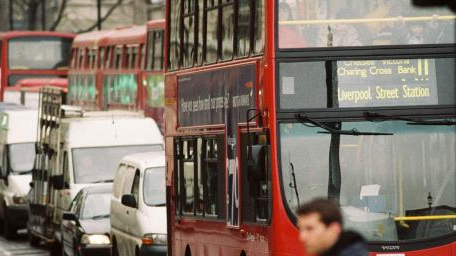
Many outer London boroughs have seen bus service cuts, despite having been promised improvements by London Mayor Sadiq Khan.
As Chair of the Transport Committee, Siân successfully led a cross-party opposition to proposed cuts to 16 bus routes, pointing to the likely “disproportionate impact of the proposals on disabled Londoners, considering that 10 per cent of daytime bus passengers are disabled.“
One third of all bus journeys are made by people in households earning less than £20,000 per year.
London TravelWatch
In September 2023, Siân revealed fewer than one million new bus kilometres have been added to the whole of outer London, a gap that fails to help the nearly one third of bus riders whose households earn less than £20,000 per year.
That disproportionate impact is precisely why additional investment in buses is essential toward building a city that works for every Londoner.
Silvertown Road Tunnel
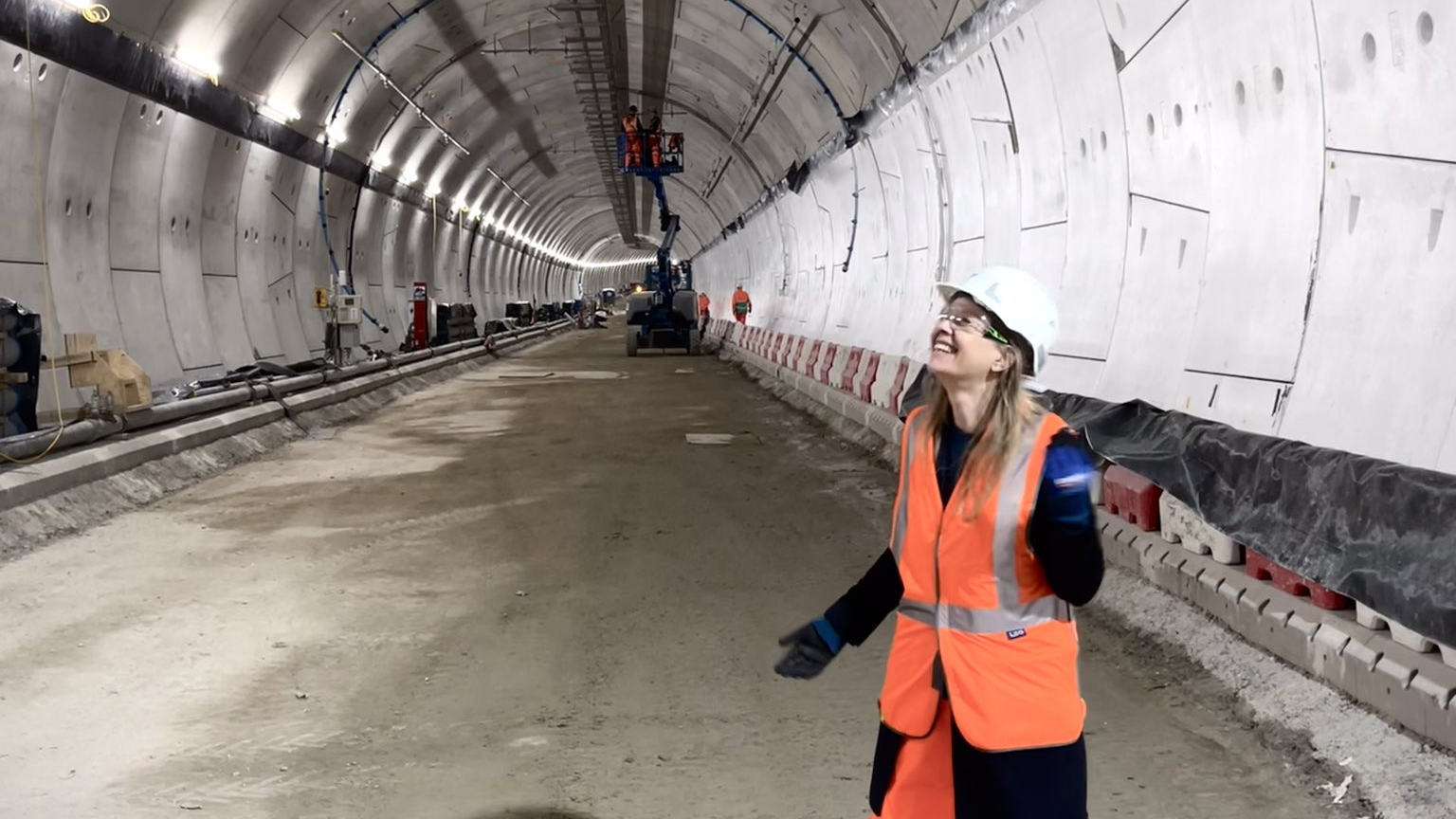
The City Hall Greens have been opposed to the Silvertown Road Tunnel from the moment the project was announced.
As early as 2016, Caroline pointed out that East London was “already one of the most polluted parts of the capital,” and the last thing local residents needed was a polluting four lane trunk road scheme.
In 2019, once it was clear the project would be moving forward, the Greens turned their efforts toward ensuring the tunnel would be used for greener crossing options.
In June 2021, Zack Polanski called out the Mayor for failing to listen to local communities before the £2 billion project progressed, asking him directly, “How big and loud does the opposition need to be for the Mayor to pause and reflect?”
Thinking even further outside the box, in the summer of 2022 Siân brought together Londoners with a scale model of the tunnel plans in two workshops. At the first workshop, local children came up with creative ideas for performances, art, and play to make use of the vast space, including a ‘hospital for nocturnal animals’, an ‘underwater playpark’ and a stables.
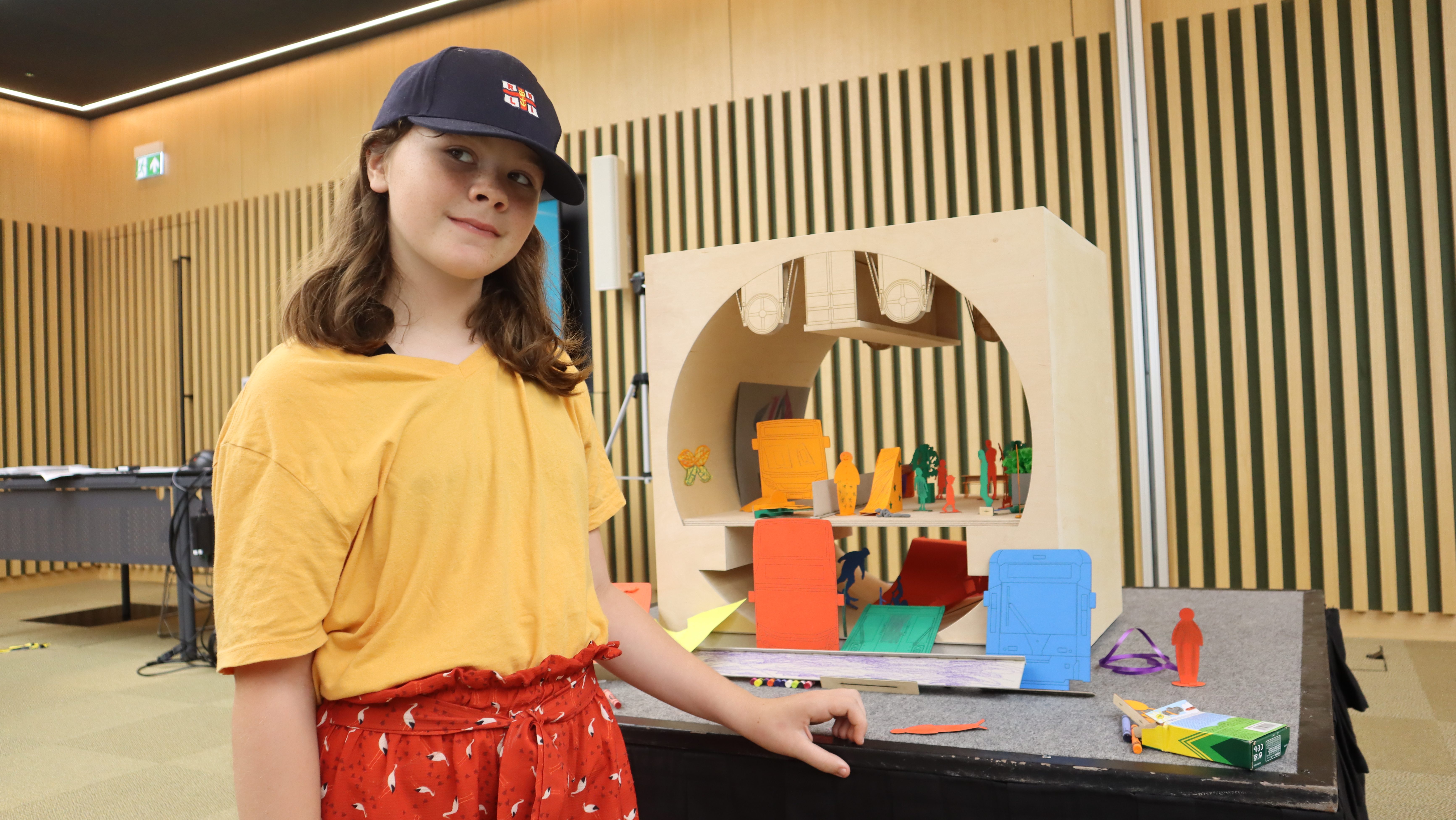
In the second workshop, campaigners discussed earlier ideas that had been considered and developed by Transport for London and local councils, including for trams and a DLR extension, and they explored ways to include walking and cycling within the plans. Read more about the brainstorming in her report here.
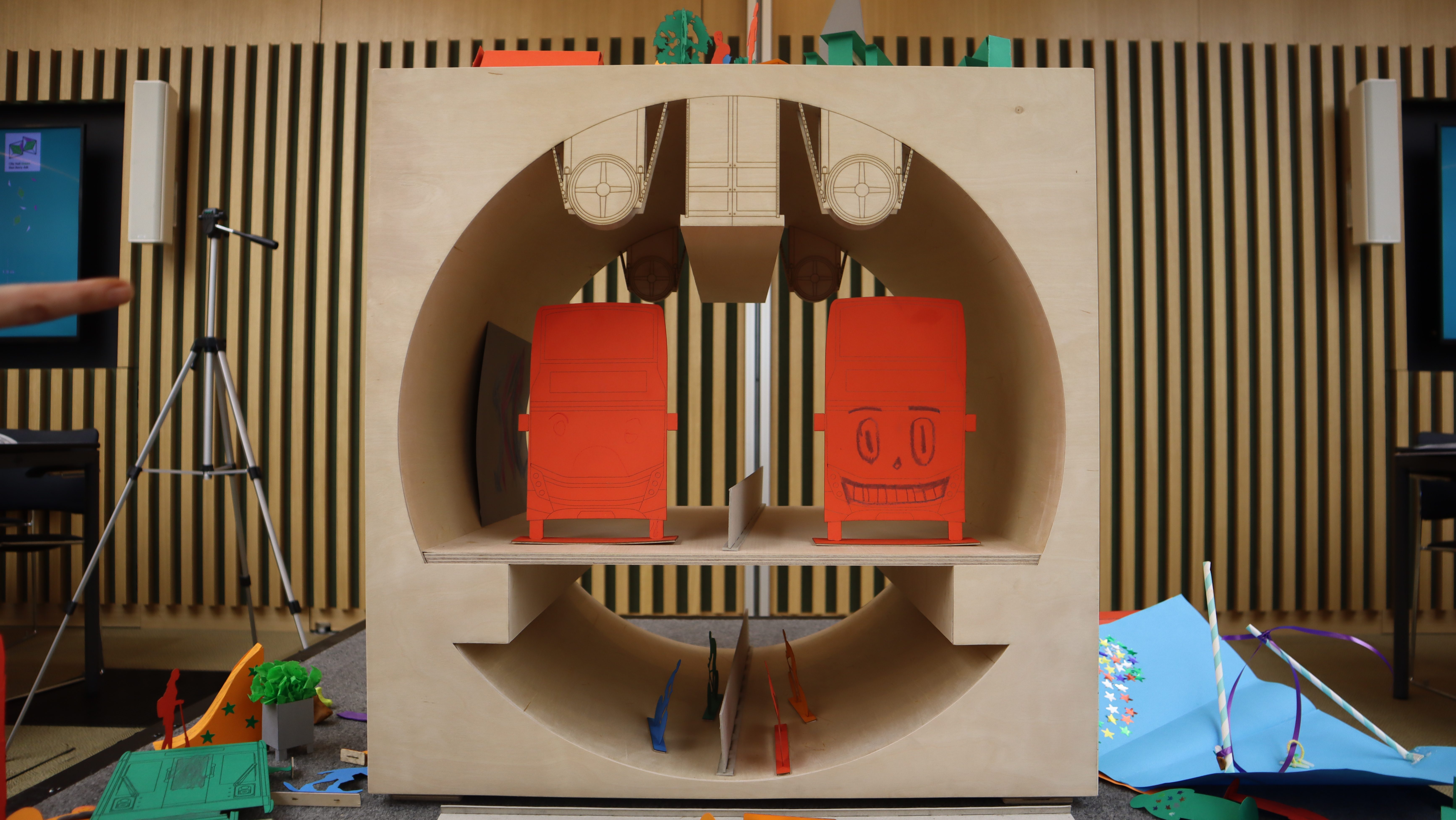
As the Silvertown Tunnel progresses, the City Hall Greens have been remained vocal in their insistence that it is not too late to transform this infrastructure into a tunnel for public transport, walking, and cycling.
Our solution would carry none of the traffic and pollution risks as the Mayor’s current plan, and at the same time provide an affordable option to cross the river for older people, younger people, and the nearly 50 per cent of residents in Greenwich and Newnham without access to a car.
 London City Hall Greens